

The most common apparel mistake happens at scale: the program is on autopilot and nobody’s asked in two years whether anyone actually reaches for it.
Someone picks a color and a logo, then hopes the fit and fabric work out. Let’s flip the order.
Here’s how to choose the right custom apparel for your business.
What Does Your Apparel Need to Do?
Before fabric or decoration, answer one question. Where will people actually wear this?
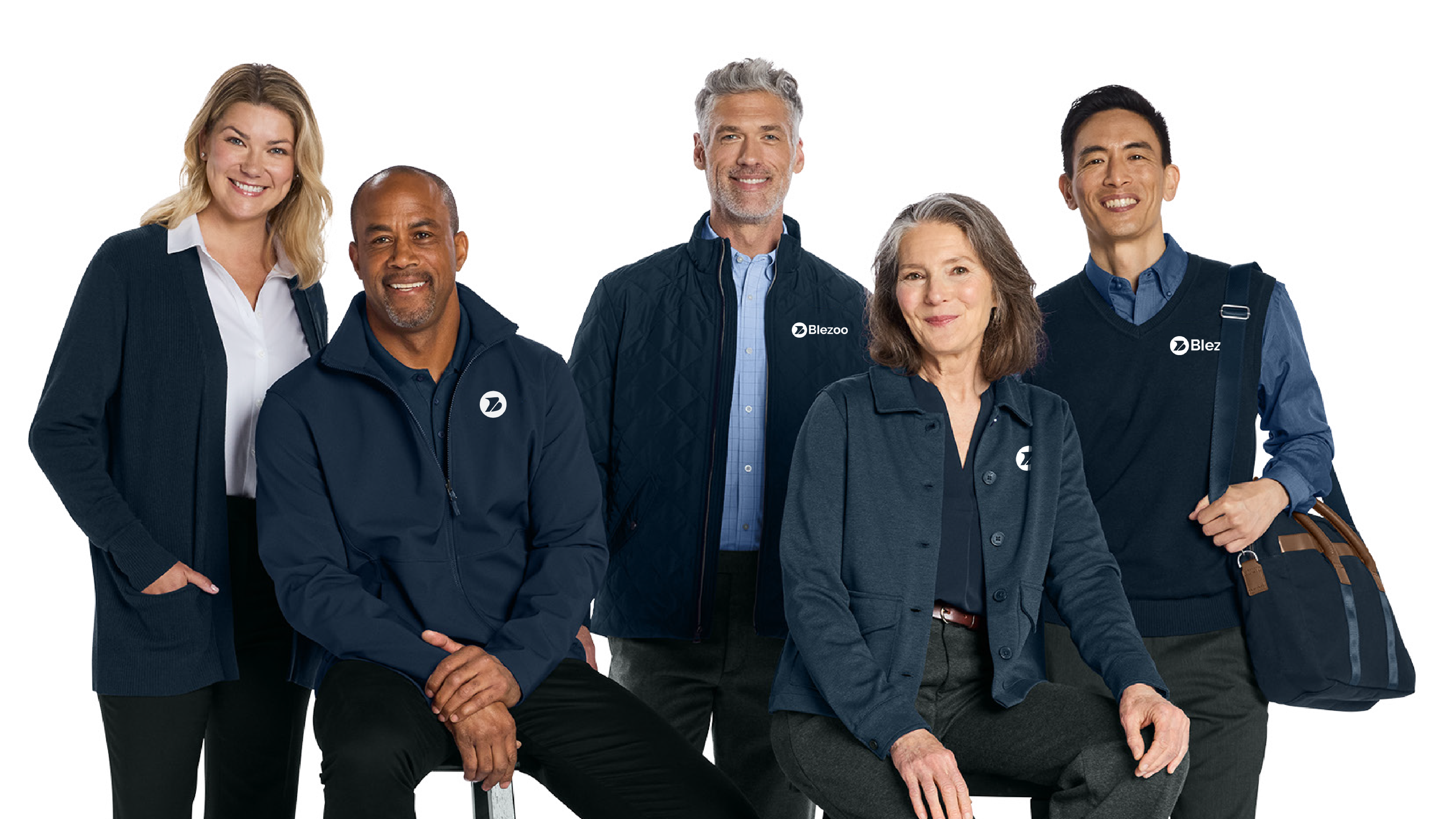
A polo for client-facing reps has a different brief than a tee for the company 5K or a fleece for the warehouse in January. Front-of-house staff need something polished that looks the same across every location. A field crew needs durable and weather-ready.
Those are completely different garments, even when the logo is identical.
It can get chaotic, so you can use a custom apparel expert like Blezoo to source items and bring you some great ideas!
Get this right and the rest of the decisions almost make themselves.
Get it wrong and you have 300 t-shirts nobody reaches for. If you want a head start by role, our breakdown of branded apparel by industry maps common pieces to common verticals!
Fabric Is Where Apparel Lives or Dies
If your piece only hangs in a closet, it’s just a budget line that didn’t do its job. Fabric is usually why.
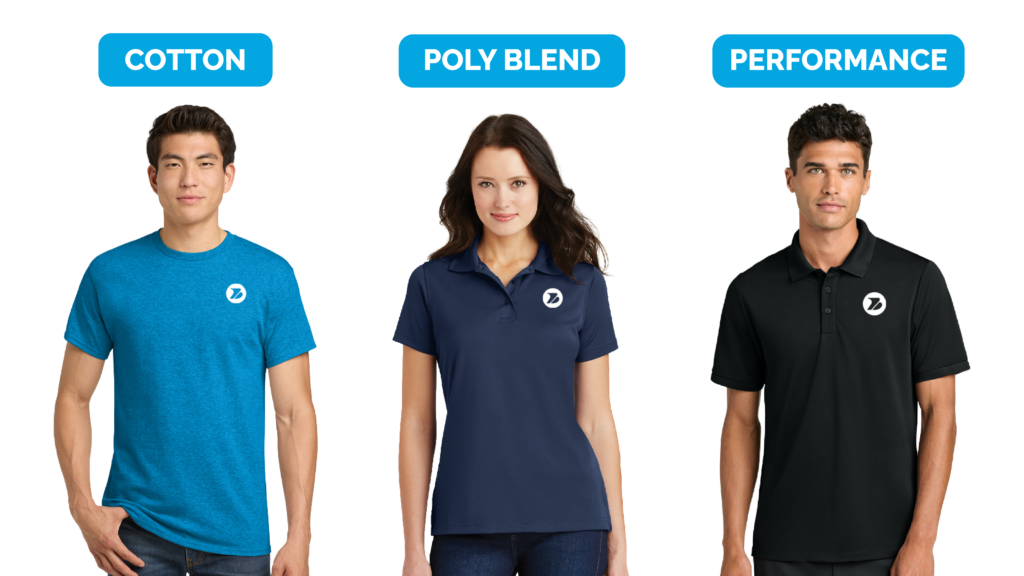
A few families cover the most popular business apparel options:
1. Cotton
These are soft and breathable, great for tees and casual wear.
But, it can wrinkle and shrink, so skip it when something needs to look crisp all day.
2. Poly Blends
Blends are probably what you’re used to.They’re more durable, hold color well, and resist wrinkling.
A 50/50 or 60/40 blend is the everyday workhorse for polos and staff wear.
3. Performance
Use moisture-wicking polyester for active roles, hot climates, or anyone on their feet all shift.
We love these here in Florida!
Choose the Right Fit
The best fabric in the world fails if the fit is wrong.
Boxy, one-size-for-everyone apparel is the fastest route to a closet of unworn shirts.
The best programs offer a real size range with both fitted and unisex cuts.
Corporate apparel in 2026 has shifted toward tailored “workleisure” pieces that look sharp without the stiffness of an old-school uniform. If you want people to wear your branded gear off the clock (you should), fit matters as much as the logo.
Decoration Types (and when you should use each)
This is where your business’s wearables gets their personality. The method you choose changes how the piece looks, how long it lasts, and what it costs.
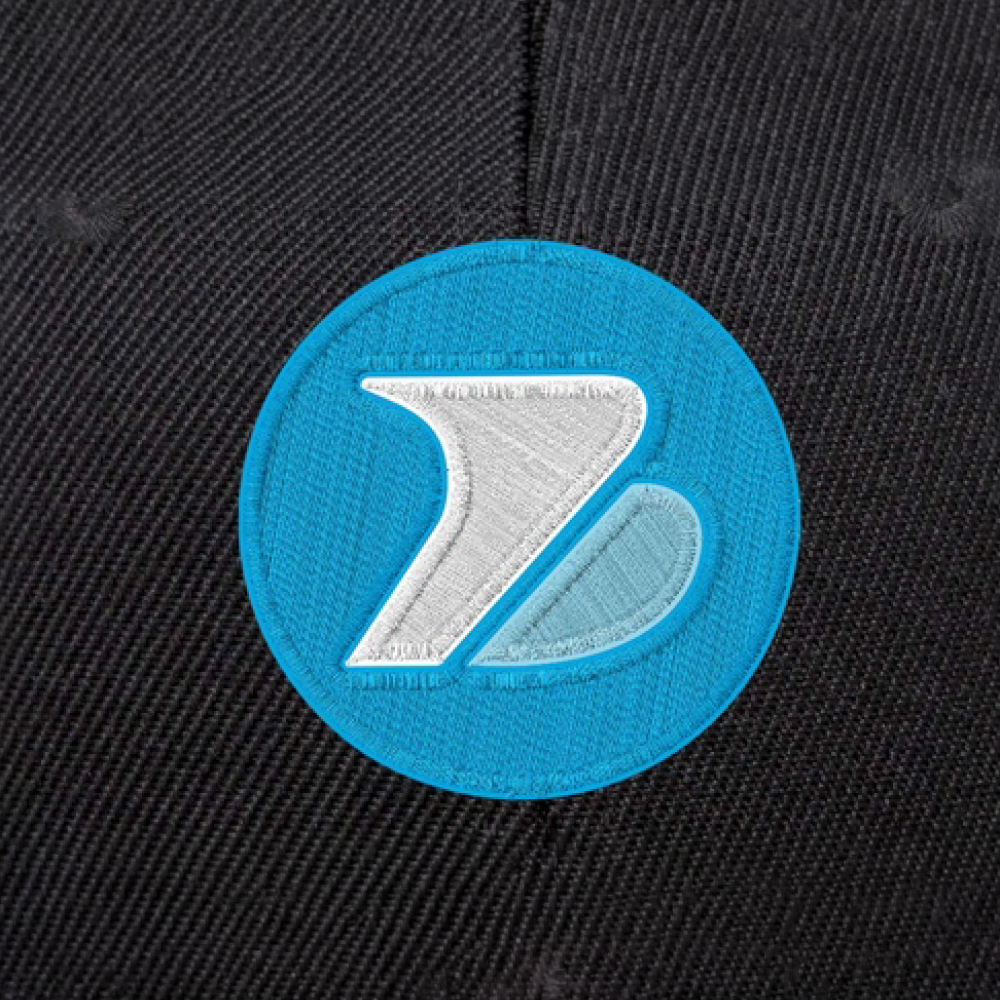
1. Embroidery
Stitched and textured, reads premium. Best on polos, jackets, caps, and bags. Durable and upscale, though it costs more and isn’t built for fine detail or large colorful graphics.
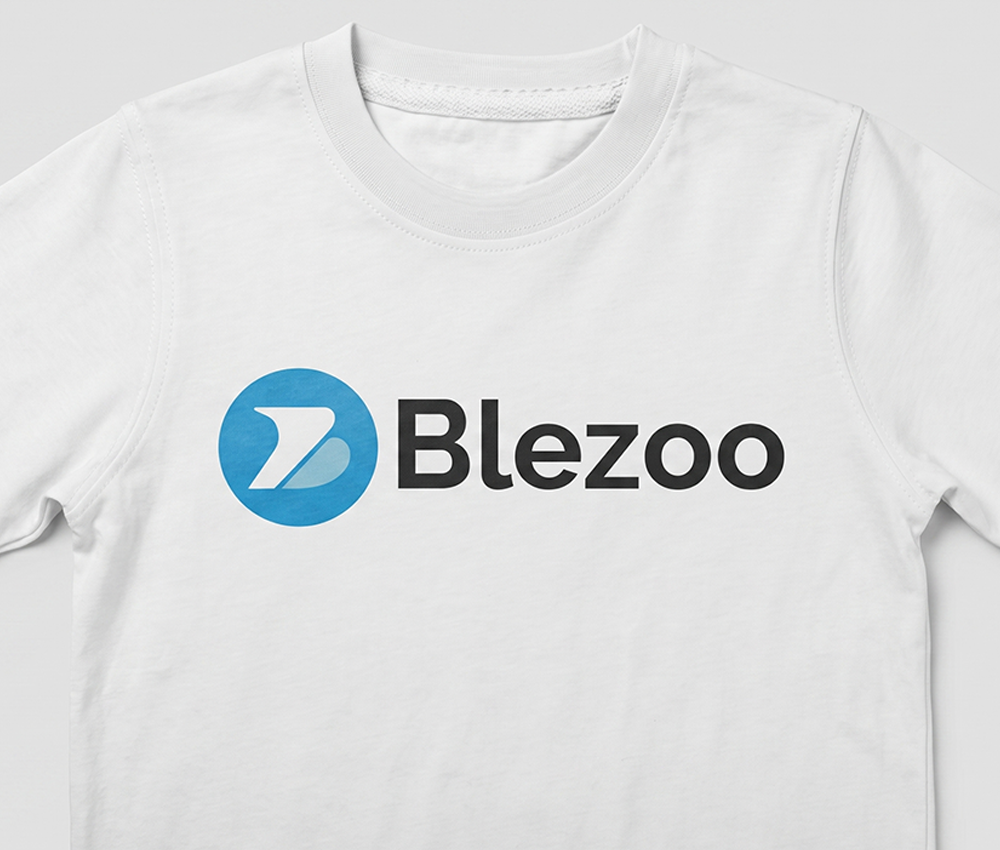
2. Screenprint
Ink pressed through a mesh screen. Cost-effective at volume with bold, long-lasting color. Best for tees and simpler designs with a handful of colors.
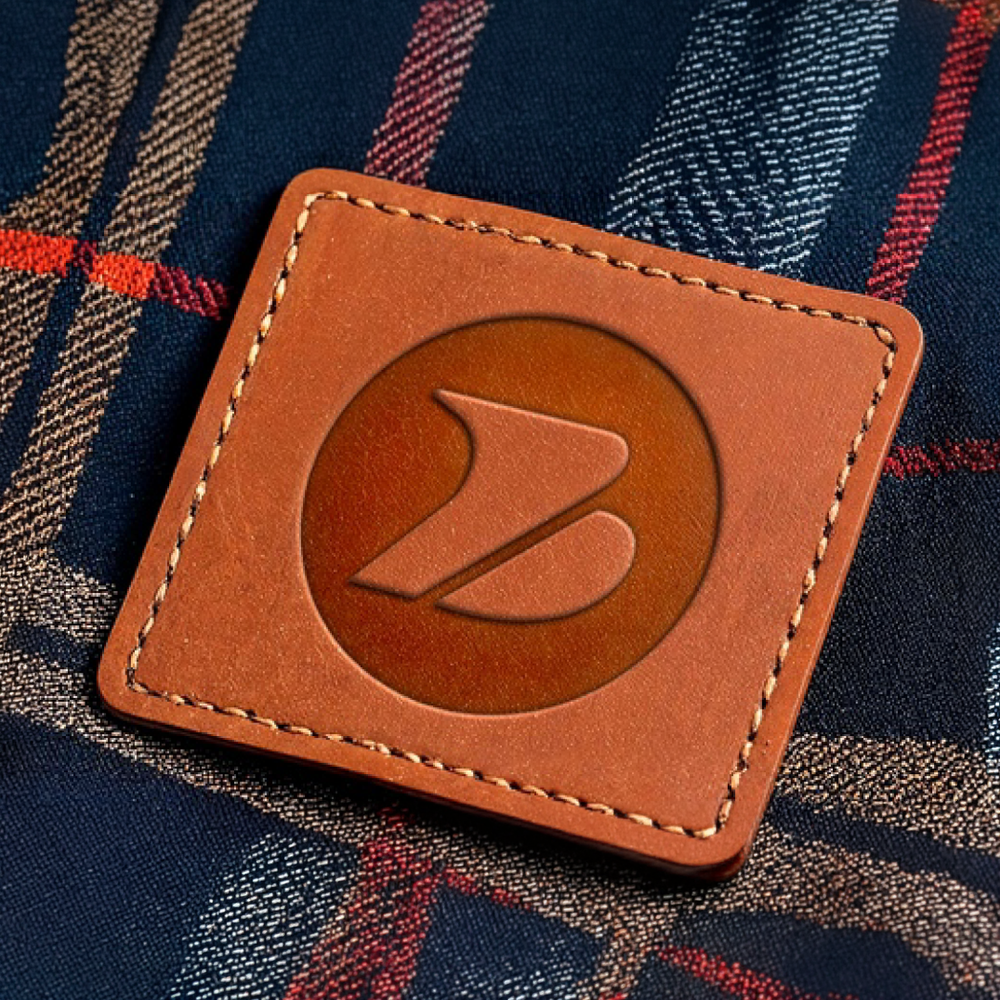
3. Leather and Faux-Leather Patches
Now mainstream on caps and jackets, and a quick way to make a piece feel retail.
Match the method to the garment and your goal. A premium quarter-zip wants embroidery, but a 250-piece event tee probably wants screen printing.
Where Should Your Logo Go?
Placement is should be real decision, not an afterthought.
Left chest is the safe, professional default for polos and button-downs. A full back works for events and team identity. Sleeve hits and tonal logos read modern and understated. For caps, the front panel is standard, while side and back placements add interest.
When in doubt, left chest for staff wear, full back for events. The rest is about what message you’re trying to send. Pick one and be intentional.
How to Look Premium Without Overspending
Here’s the good news for a watched budget. Premium comes mostly from the choices you make, not the price tag.
The industry is already moving this way. Retail-branded products, the recognizable names your team actually knows, were the clearest growth signal in PPAI’s 2025 sales data, reaching roughly $6 billion as buyers traded up.
That also matters for you internally! A product someone reaches for outside work keeps working. That’s a ROI story you can actually tell.
For more ways to stretch a budget, steal a few from our guide to making merch look smart.
Start Customizing Your Business Apparel Now!
Choosing custom apparel for your business comes down to order of operations.
Nail the use case first. Then pick fabric and fit for comfort. The decoration method comes last, chosen to match the goal.
Do that and you get apparel people reach for!
See what’s possible with custom wearables, or just tell us what you have coming up.
Curious how this could work for your brand? We’d love to help!